How it works:
Conventional vs. siphonic roof drainage
Akasison is a fully engineered siphonic roof drainage system that is designed, calculated and tested within Aliaxis to provide a complete solution.
Every part of the system, from the roof outlet to the pipework, fixings and emergency drainage, is developed with one goal in mind: the safe, fast and reliable removal of rainwater from large flat roofs, even during periods of extreme rainfall.
To understand the Akasison system, it is helpful to first grasp the difference between traditional gravity drainage and siphonic roof drainage.
The basic principle
Traditional roof drainage systems rely on gravity. Rainwater flows through sloped pipes, with air and water moving together. This limits capacity and usually requires multiple downpipes and larger pipe diameters.
Akasison siphonic roof drainage works differently. Specially designed roof outlets prevent air from entering the system once submerged. As the intensity of the rainfall increases, the pipework fills completely with water. This creates negative pressure, enabling rainwater to be siphoned off the roof at high speed.
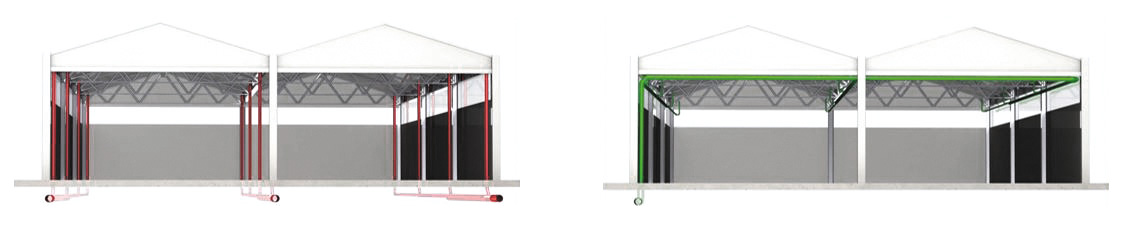
Conventional gravity drainage
Traditional / conventional gravity drainage
- Multiple downpipes
- Sloped pipework on the roof or underground
- Larger pipe diameters
- Lower flow velocity
- Air and water flow together through the pipes
Akasison siphonic drainage
Siphonic full‑bore drainage (Akasison)
- Fewer downpipes
- Horizontal pipework, optimising use of building height
- Smaller pipe diameters
- High flow velocity created by negative pressure
- Pipes fully filled with water (no air)
This fundamental difference is what enables siphonic systems to efficiently evacuate large volumes of rainwater while requiring fewer pipes and occupying less space inside the building.
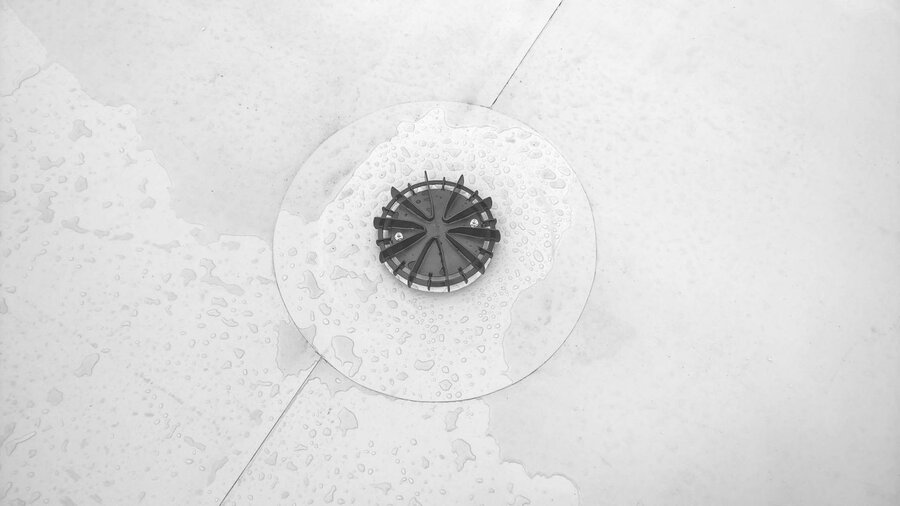
Where the Akasison system makes the difference
Siphonic roof drainage only works when all the elements perform together.
That is why Aliaxis takes responsibility for Akasison's complete system design. Instead of adapting standard components, Akasison designs each system element specifically for siphonic performance.
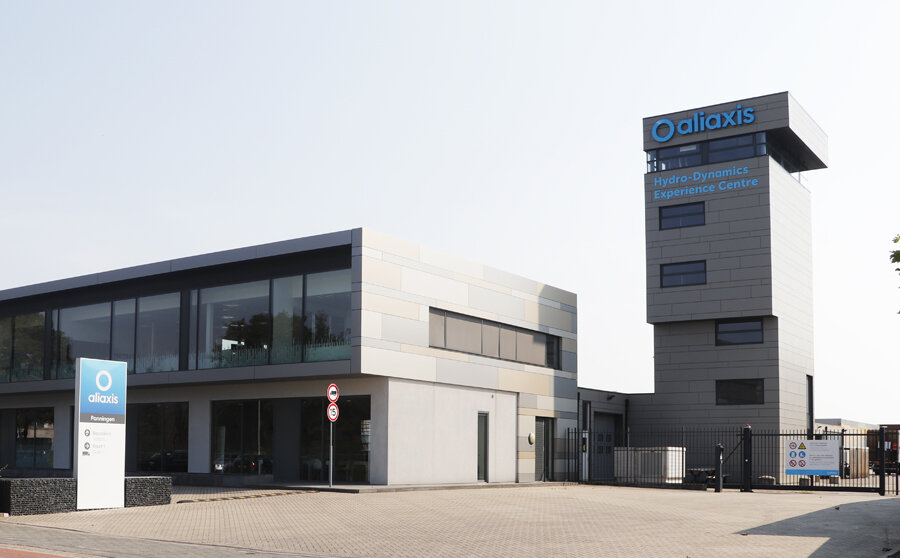
Research & test
This system approach is grounded in research and testing at the Aliaxis Hydro Dynamics Experience Centre (HDEC). The HDEC is where hydraulic principles, engineering expertise and real world testing come together, forming the foundation of the Akasison system. Research outcomes are translated into accurate design rules and optimised pipe system designs, ensuring that what is calculated also performs in practice.
The Akasison system combines:
- Engineered roof outlets with air baffles
- A balanced HDPE pipe system
- A dedicated fixing system designed for expansion forces
- An innovative emergency solution with AirLock technology
Together, these elements ensure full bore flow, controlled negative pressure and predictable performance.
Meet our Akasison experts!
The Akasison system: key elements
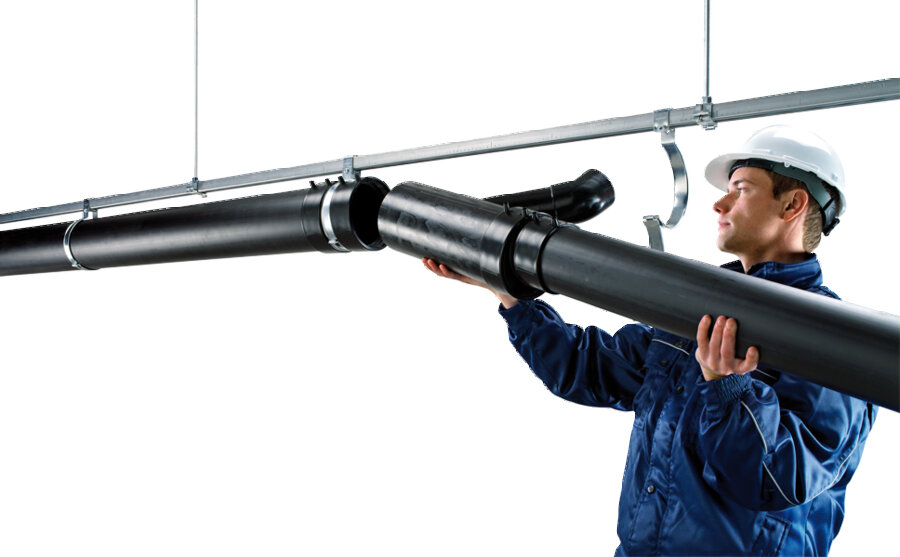
Fixing system - Why does fixing matter in siphonic roof drainage?
Pipes in siphonic systems are exposed to temperature changes and expansion forces. Standard fixing solutions are not designed for this.
The Akasison fixing system is engineered specifically to:
- Absorb expansion forces safely
- Reduce installation complexity
- Improve safety when working at height
- Ensure long term system stability
Pipe system - Why not just use standard pipes?
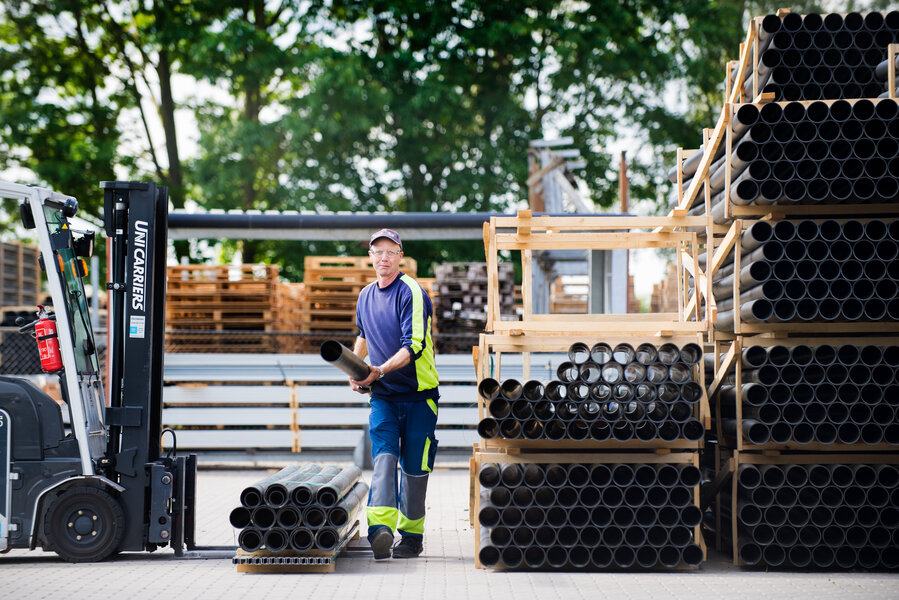
Siphonic systems rely on rapid priming and full bore flow. That’s why Akasison uses a dedicated HDPE pipe system, designed and calculated to transition quickly into siphonic operation.
Key principles:
- Precisely calculated pipe diameters
- Full bore flow once primed
- Injection moulded electrofusion couplers for secure connections
- Tempered HDPE pipes to reduce stress and extend service life
AirLock system (emergency drainage) - What happens when rainfall exceeds the design capacity?
Akasison uses a dual-system approach:
- A primary siphonic system for regular rainfall.
- A secondary emergency system for extreme conditions.
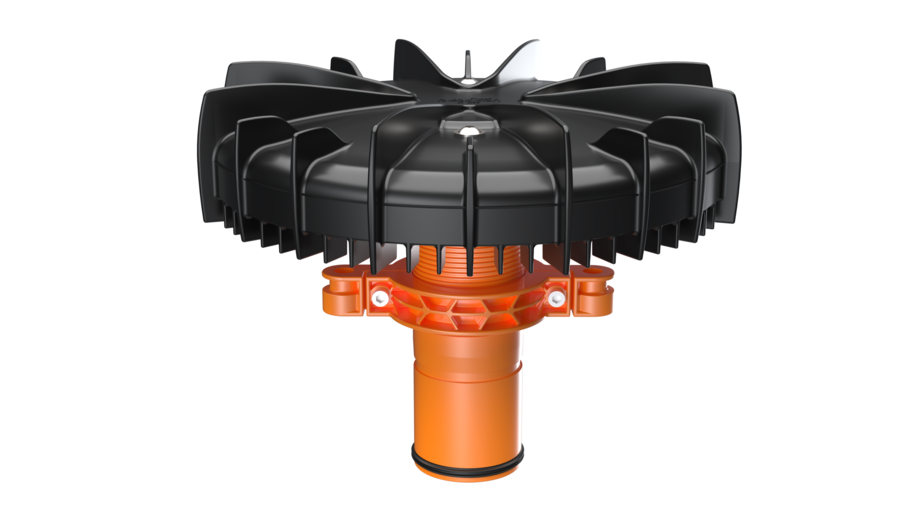
The Akasison AirLock emergency roof outlet is designed to block air intake before activation. This ensures that system capacity is maintained, even when building tolerances create height differences between outlets.
This results in:
- Lower water levels on the roof
- Maintained capacity despite construction tolerances
- Fast, push-fit installation on site
Roof outlets and air baffles – Why are roof outlets critical in siphonic systems?
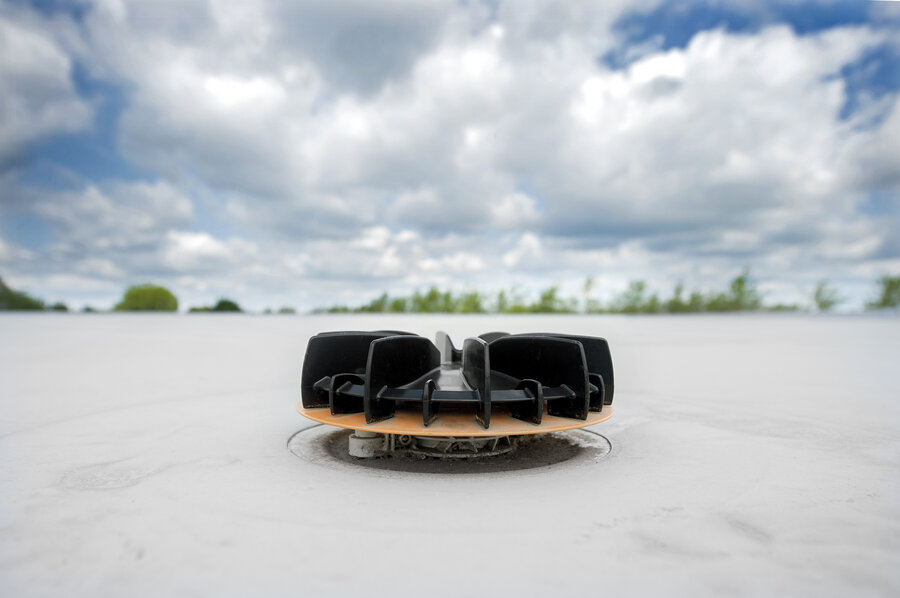
The roof outlet determines how efficiently water enters the system.
Akasison roof outlets are designed with:
- Integrated air baffles to prevent air entry
- High inlet velocities for faster priming
- Modular baseplates compatible with different roof membranes
- Adjustable emergency outlets for flexibility during the building lifecycle
Seeing is believing: Akasison in action
Siphonic principles are best understood when you can see them at work!
Aliaxis - Hydro Dynamics Experience Centre
Panningen, The Netherlands
Innovation at Aliaxis starts with understanding how water behaves in real life.
That is why we have our own Hydro Dynamics Experience Centre (HDEC) on site in Panningen, the Netherlands.
Here, fluid dynamics, engineering expertise and real-world testing converge. We develop and validate siphonic roof drainage solutions under controlled conditions, translating theory into systems that perform reliably during heavy and extreme rainfall.
By testing complete systems and individual components, we can continuously improve our designs, reduce system complexity, and ensure predictable performance on site.
This approach enables Akasison to deliver efficient, safe and durable roof drainage solutions, often using fewer components and materials. The insights gained at the HDEC are applied directly to our products, design rules and engineering tools, ensuring that our designs are proven in practice.

Aliaxis - High Rise Research Centre
Northampton, The United Kingdom
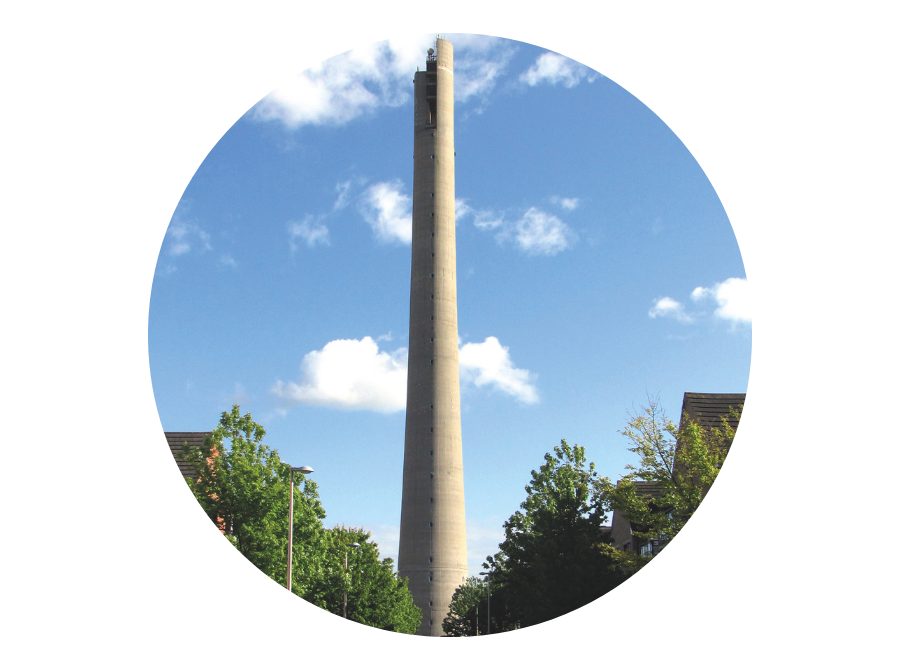
In addition to the HDEC, Aliaxis operates a High-Rise Research Centre in Northampton, in the UK. This centre is dedicated to addressing the specific challenges of (rainwater) drainage in tall buildings.
The centre’s areas of focus include:
- High-rise system behaviour
- Flow performance over significant heights
- Pressure effects and system stability in vertical applications
The research conducted at the High-Rise Research Centre supports the development of solutions for increasingly complex and tall buildings, where safety, reliability, and controlled water behaviour are critical.
Insights from both centres are directly applied to Akasison products, system design rules and engineering software, taking research into real projects. This ensures that systems are tested, validated and proven in practice before they reach the project site, not only calculated on screen.
Real projects, real performance
Akasison systems are applied to large‑scale and complex roof applications across Europe, including industrial and logistics buildings, commercial projects and sports stadiums, supporting projects with:
- Tight timelines
- High rainfall requirements
- Complex coordination between stakeholders


Downloads
Find all the technical documentation, design guidelines and digital resources you need in one place, to support you from the initial specification through to installation.
Interested in Akasison for your project?
Mariska Graveland
mariska.graveland@aliaxis.com